Food Pairing for Better Nutrient Absorption
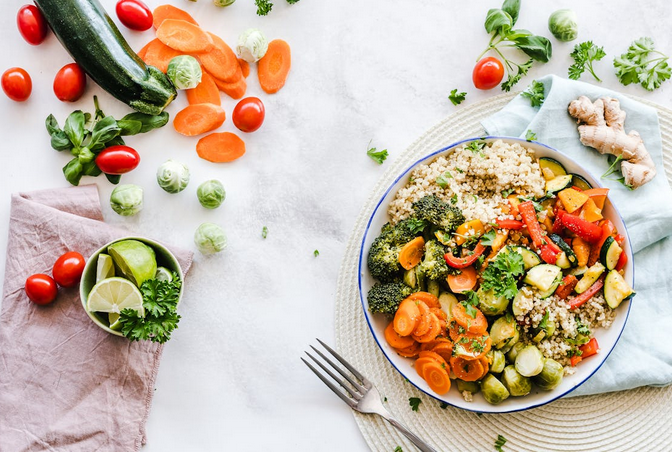
Eating healthy is not only about choosing the right foods. It is also about how those foods work together. Some nutrients are absorbed better when combined with others. This process is known as food pairing. It can improve how the body uses vitamins and minerals. Many people focus on what they eat but overlook how combinations affect results. Understanding this concept can help you get more value from everyday meals without major changes.
Why Nutrient Absorption Matters

The body does not absorb everything you consume. Some nutrients pass through without being fully used. This depends on digestion, gut health, and food combinations. For example, certain vitamins need fat to dissolve properly. Others require an acidic environment. Without the right conditions, even nutrient-rich foods may not deliver full benefits. Improving absorption helps the body function better. It supports energy, immunity, and overall health. Small adjustments in how foods are paired can make a noticeable difference over time.
Fat and Fat-Soluble Vitamins
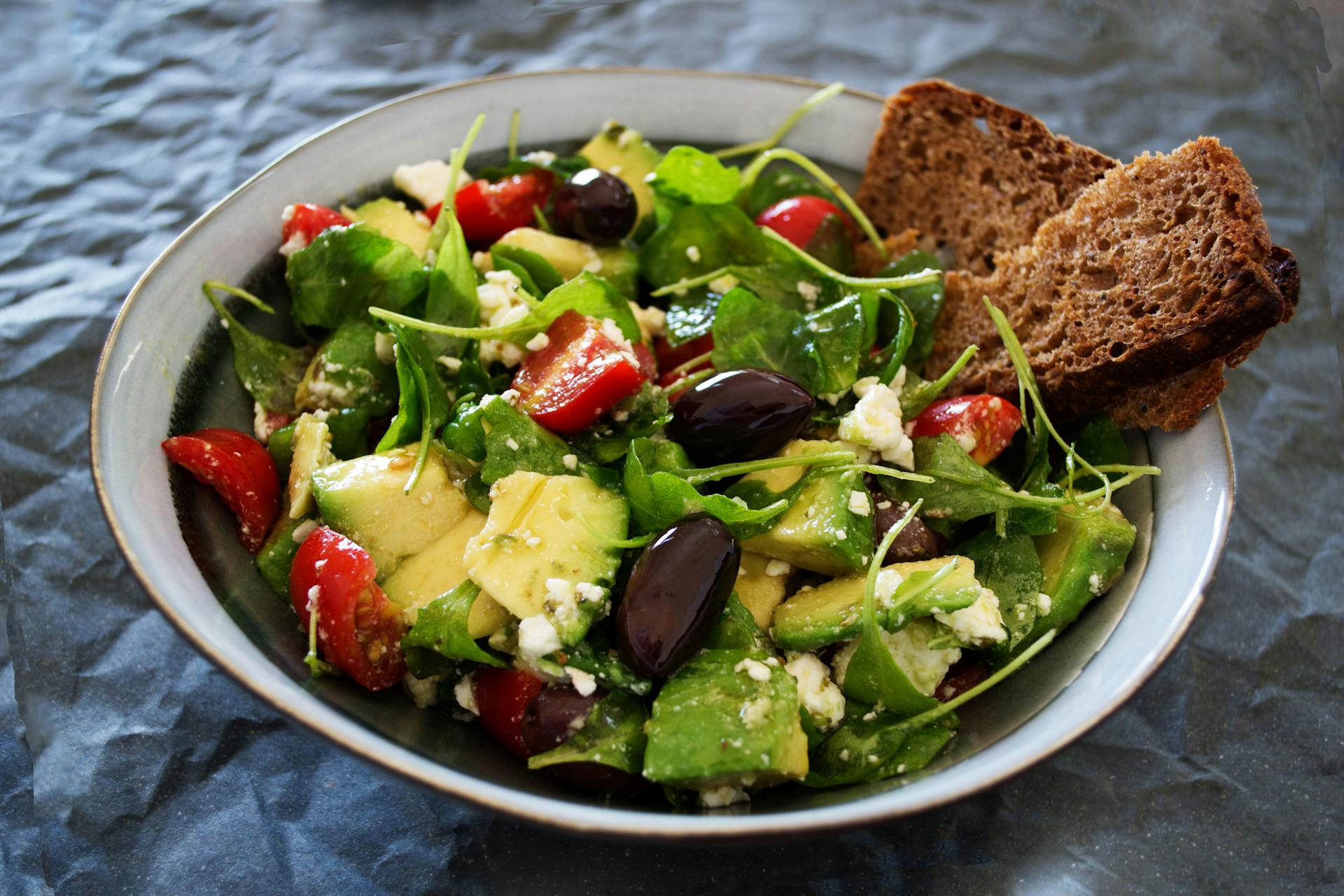
Some vitamins require fat to be absorbed properly. These include vitamins A, D, E, and K. Without fat, the body cannot fully use them. Adding healthy fats to meals can improve absorption. For example, mixing olive oil with vegetables or adding avocado to salads can help. These fats do not need to be large in quantity. Even small amounts can support better nutrient use. This approach highlights the importance of balance. Avoiding fat completely may reduce the benefits of certain foods. Including the right type of fat can improve overall nutrition.
Iron and Vitamin C: A Powerful Combination
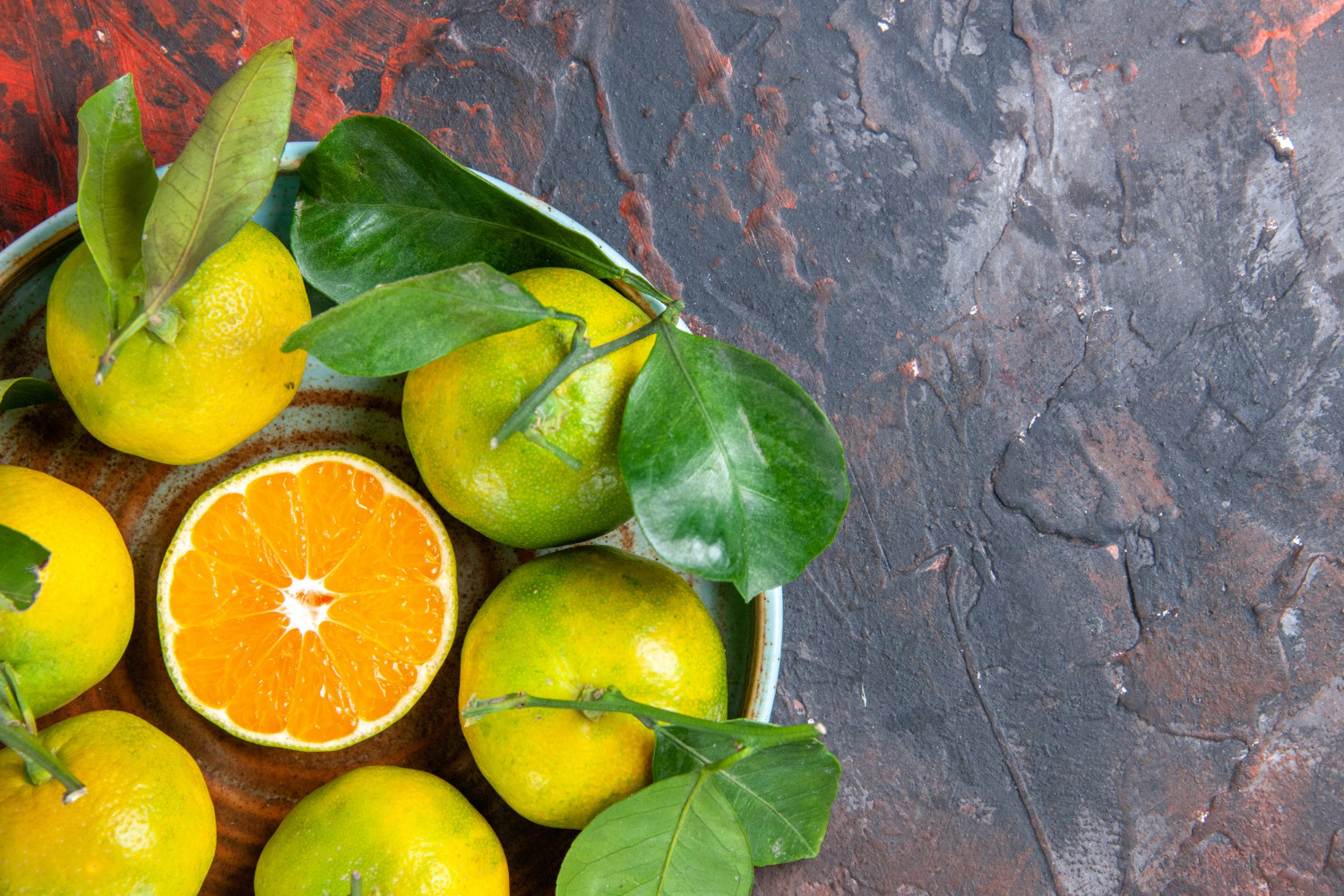
Iron is essential for carrying oxygen in the blood. However, not all iron is absorbed equally. Plant-based iron, known as non-heme iron, is harder for the body to absorb. Vitamin C can help solve this issue. When consumed together, it increases iron absorption. For example, adding citrus fruits to leafy greens or pairing tomatoes with beans can improve results. This combination is especially important for people who rely on plant-based diets. It helps ensure that the body receives enough iron without needing large portions. The pairing is simple but effective.
Calcium and Vitamin D Interaction
Calcium is important for bone health. However, it needs vitamin D to be absorbed effectively. Without enough vitamin D, calcium may not be used properly by the body. Sunlight is a natural source of vitamin D, but food sources also play a role. Pairing calcium-rich foods with vitamin D sources can improve results. For example, dairy products or fortified foods combined with vitamin D-rich options can support better absorption. This relationship shows how nutrients depend on each other. Focusing on one nutrient alone may not be enough. Combining them helps the body use them more efficiently.
Nutrient Inhibitors to Be Aware Of
Not all food combinations improve absorption. Some can reduce it. Certain compounds act as inhibitors and block nutrient uptake. For example, tea and coffee contain substances that can limit iron absorption. Consuming them with meals may reduce the benefits of iron-rich foods. Similarly, high amounts of calcium can interfere with iron absorption when taken together. Understanding these interactions helps in planning meals. It does not mean avoiding these foods completely. Instead, it involves timing and balance. Being aware of these factors can ensure better nutrient use.
Build Better Meals Through Pairing
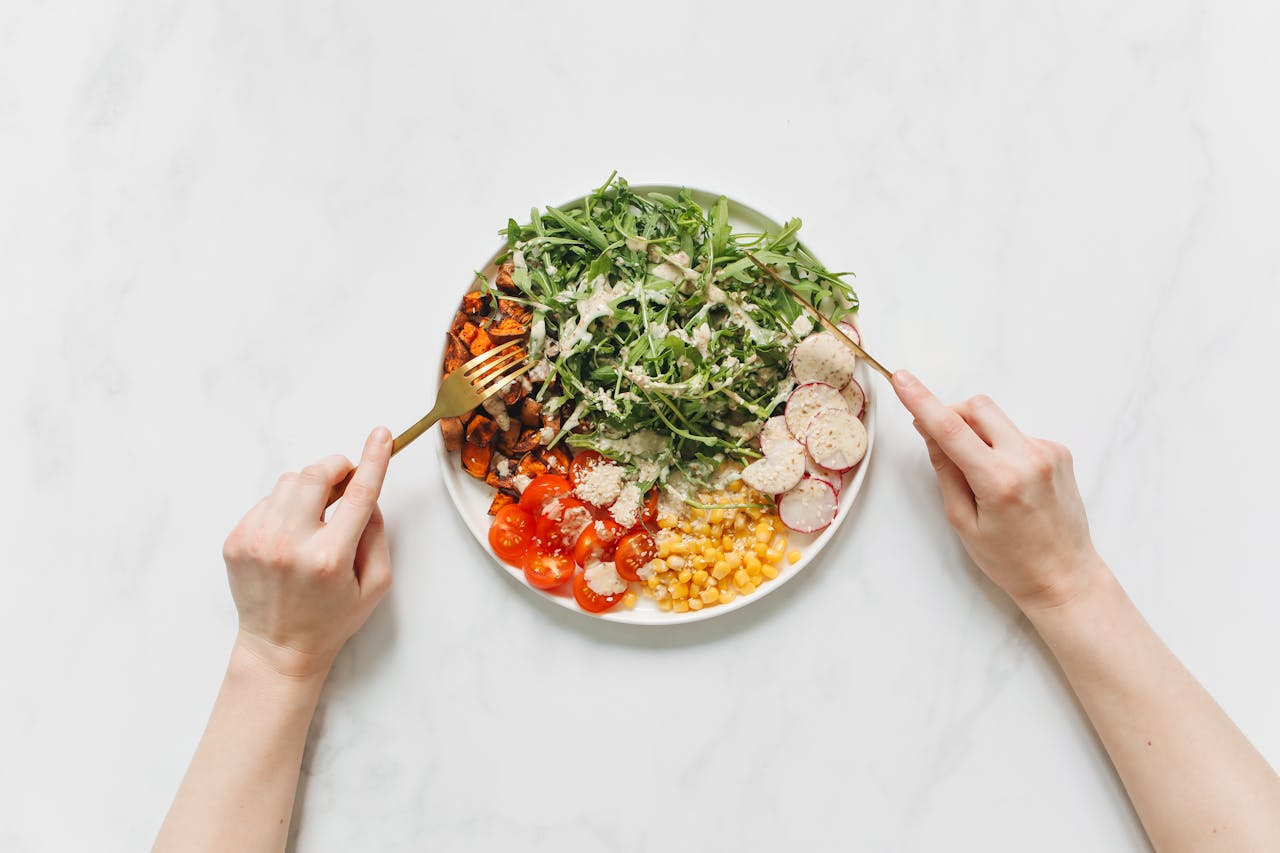
Food pairing does not require complex planning. Simple adjustments can improve outcomes. Combining the right foods can enhance nutrient absorption without changing your entire diet. It is helpful to think about balance. Including a mix of vitamins, minerals, and healthy fats in meals can support better results. Paying attention to how foods interact can make meals more effective. Over time, these small changes can lead to better health. They help the body use nutrients more efficiently. This approach focuses on quality and combination rather than quantity alone.
Food pairing is a practical way to improve nutrition. It focuses on how foods work together rather than just what is eaten. By understanding these interactions, you can make better choices without adding complexity. Simple combinations, such as pairing iron with vitamin C or adding healthy fats to vegetables, can enhance nutrient absorption. Avoiding certain inhibitors at the right time also helps. The goal is to support the body in using nutrients effectively. With small adjustments, everyday meals can become more beneficial. This approach makes healthy eating more efficient and sustainable.